
Why Cable Quality Matters: The Impact on Energy Efficiency and Longevity
In the electrical systems that we have today, there’s no denying that cable quality is important in ensuring optimal performance and safety.
A first-class cable is characterized by durability, efficiency and safety. Inferior cables, on the other hand, can wear out quickly, cause energy losses or even cause fires. The quality of the cables is particularly crucial in the field of renewable energies, such as solar installations or wind farms. They have to withstand the most adverse environmental conditions and provide reliable performance for decades.
High-quality cables not only help to reduce operating costs through lower energy loss, they also minimize maintenance costs. This means that a well-chosen cable saves resources and money in the long term – a clear advantage for companies and households alike.
In a world that is increasingly moving towards a carbon-neutral energy supply, first-class cables are helping to achieve these goals. Sustainable cables are made from recyclable materials that minimize environmental impact. They also support the integration of renewable energies into the power grid by ensuring that the electricity generated is transported efficiently and without losses.
The right choice of cable is therefore not just a technical decision – it is a contribution to a more sustainable future. By using high-quality cables, the carbon footprint of infrastructure projects can be significantly reduced. This is an important step towards an environmentally friendly and energy-efficient society.A first-class cable is therefore more than just a technical component – it is a key to a more stable, greener and more efficient energy supply.
Choosing the right materials is crucial to making cables both durable and efficient. Two of the most common and important materials used in cables are copper and aluminum. They play a central role in the electrical conductivity and durability of cables.
The role of copper and aluminum
Copper is one of the best materials for conducting electricity as it has excellent electrical conductivity. It minimizes resistance, resulting in less energy loss and better efficiency. Copper cables are also extremely durable as copper is resistant to corrosion and works reliably even at extreme temperatures. For this reason, copper is particularly popular in the electronics, energy and automotive industries.
Aluminum, on the other hand, is cheaper and lighter than copper, making it a preferred choice for larger cable applications, such as in high-voltage transmission. However, aluminum has a lower electrical conductivity than copper, which is why it is usually used in larger cross-sections to achieve the same resistance. Nevertheless, its lower weight and material costs make it an attractive alternative to copper, especially in large infrastructure projects.Both materials are therefore essential for the production of cables that are both reliable and economical. But in order to promote a more sustainable future, environmentally friendly alternatives and recycling potential are also of great importance.
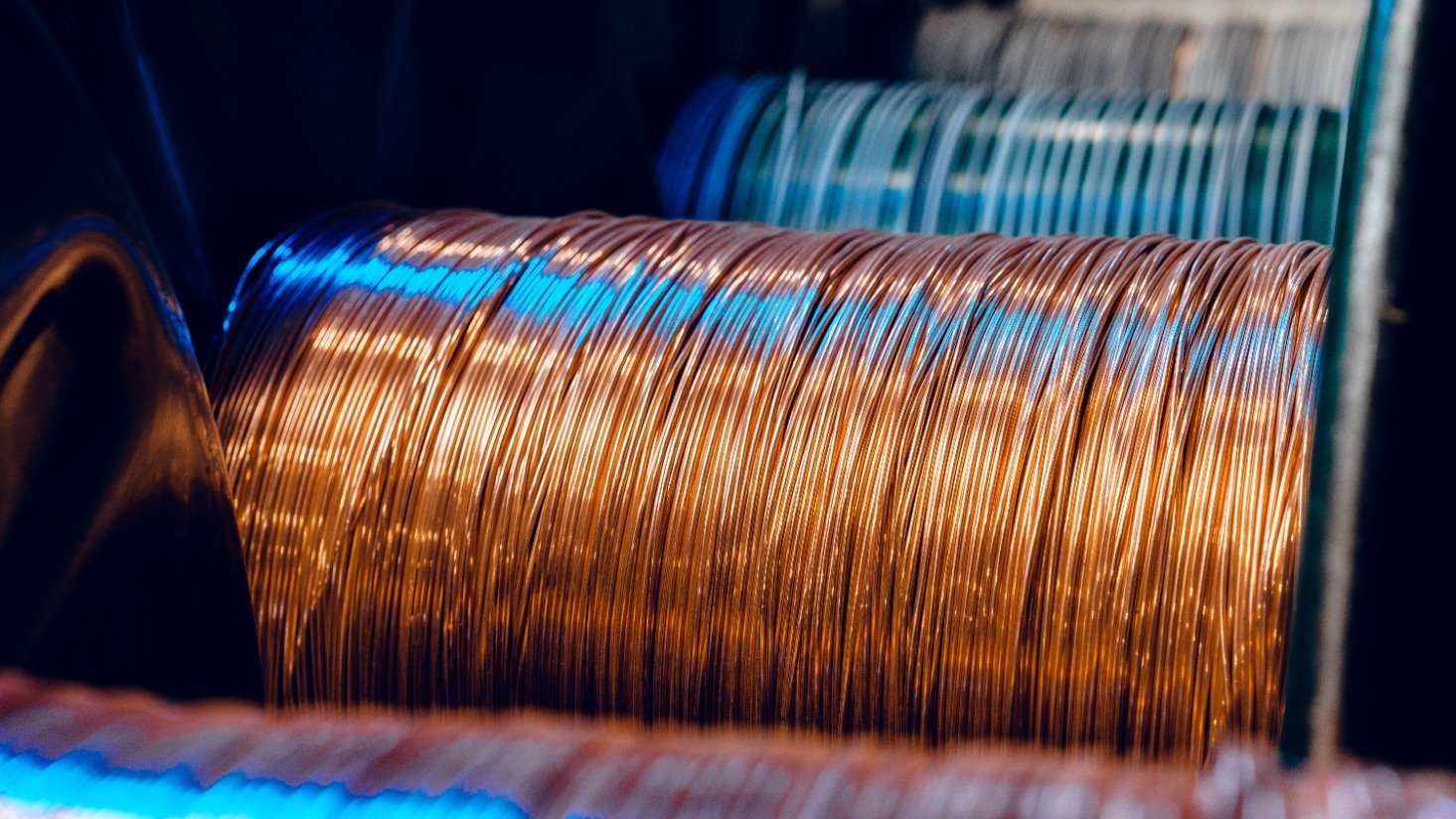
Advanced cable technologies are critical to maximize the performance and safety of electrical systems, especially with regard to renewable energy sources. Two key technologies are insulation and sheathing, and specialized cables for renewable energy.
Insulation and sheathing: quality meets safety
The insulation of a cable protects against short circuits and external influences such as moisture or mechanical damage. Materials such as PVC, PE and XLPE offer excellent protection and guarantee safe power transmission. The protective sheath protects the cable from UV radiation and extreme temperatures, which significantly extends its service life and increases safety.Cables for renewable energy sources
Solar and wind energy require specialized cables that can withstand extreme weather conditions and high loads. Solar cables must be UV resistant and suitable for DC systems, while wind power cables must be flexible and corrosion resistant to withstand the constant movement of rotor blades. These advanced cables enable the efficient and safe transportation of energy, which is crucial for the sustainability and economic viability of renewable energy.
Overall, these technologies help maximize the efficiency and safety of cables and support a sustainable energy future.

The quality of cables is not only determined by their materials and technologies, but also by compliance with certifications and standards. These guarantee that cables are safe, efficient and durable. They play a decisive role in ensuring product quality and are an important criterion when selecting cables for various applications, particularly with regard to sustainability and environmental protection.Important standards and seals for first-class cables
There are numerous standards and certificates that cable manufacturers must comply with to ensure that their products meet the highest quality requirements:
Overall, these technologies help maximize the efficiency and safety of cables and support a sustainable energy future.
When it comes to ensuring safety, efficiency, and compliance in the cable industry, standards like VDE and NEN play a critical role. As experts in the field, we ensure that our products not only meet but often exceed these rigorous standards, providing peace of mind for your projects.
The VDE (Verband der Elektrotechnik, Elektronik und Informationstechnik) certification is synonymous with high safety and quality standards in Germany and across Europe. Products bearing the VDE mark have undergone comprehensive testing for:
Choosing cables with VDE certification means you’re opting for reliability, efficiency, and long-term value—qualities we ensure in every product we offer.
In the Netherlands, NEN (Nederlands Normalisatie-instituut) sets the bar for national compliance while aligning with European and international standards. For example:
By delivering cables compliant with NEN standards, we provide tailored solutions for the Dutch market, ensuring seamless integration with local regulations and industry practices.Why sustainability certificates are becoming increasingly important
In a world that is increasingly focusing on sustainability, sustainability certificates are playing an ever greater role. These certificates confirm that cable products are manufactured under environmentally friendly conditions and leave a minimal ecological footprint. Particularly important here are
The increasing importance of sustainability certificates is not only a response to legal requirements, but also a response to the growing awareness of consumers and companies who are looking for environmentally friendly products. In an industry increasingly dominated by green technologies, such certificates provide companies with a competitive advantage and consumers with the assurance that they are choosing responsibly produced products.
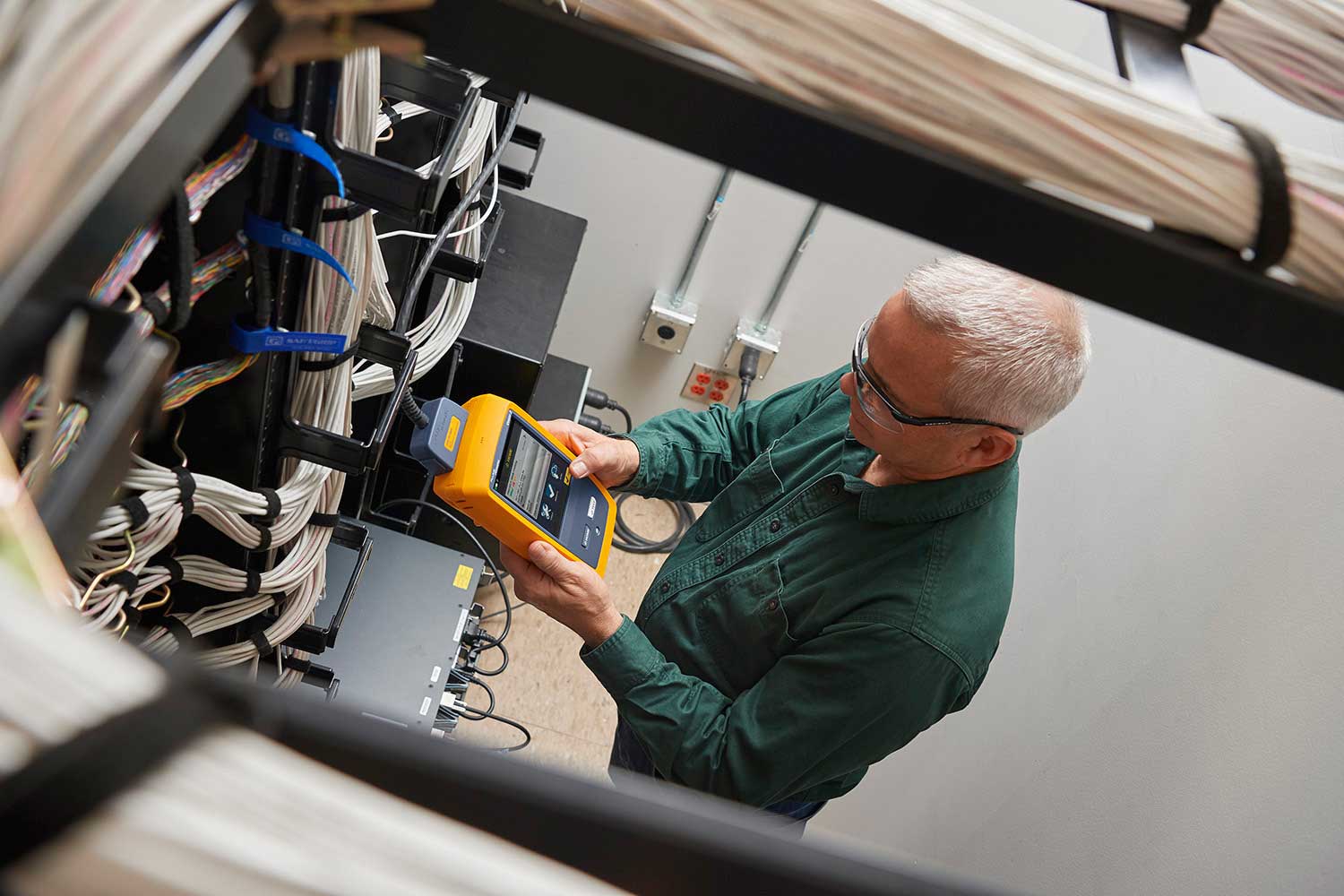
A first-class cable is characterized by a perfect balance between quality, efficiency and sustainability. Choosing the right cable is not just a question of technical requirements, but also an important step towards a more sustainable future. A high-quality cable ensures reliable performance and maximum efficiency, reduces energy loss and at the same time offers a high standard of safety.Quality and efficiency
A good cable is designed to work efficiently over the long term. Materials such as copper and aluminum ensure excellent conductivity, while modern insulation materials and protective layers extend the cable’s service life and protect it against external influences such as moisture and corrosion. This is particularly important in applications such as power transmission and the use of renewable energy, where efficiency and reliability are top priorities.
Sustainability
In a world that is increasingly focusing on sustainability, environmental protection is playing an ever greater role when choosing a cable. Recyclability, sustainable production processes and certifications such as RoHS or recycling seals are decisive factors that determine the ecological footprint of a cable. Integrating these elements into cable production helps to minimize resource consumption and reduce waste, which contributes to a more environmentally friendly and resource-efficient future.